Inseguridad digital (Aprendizaje basado en problemas)
Asignatura: Informática Empresarial.
Programa: Administración de Empresas a distancia tradicional.
Sede: Vicerrectoría Santanderes UNIMINUTO
encuentro buenas prácticas institucionales
INFOTEP Encuentro buenas prácticas institucionales 2021
Music videoclip COIL
feria virtual de universidades
Feria Virtual de Universidades: Conferencia 3
#UNIMINUTO #Pedagogía #Internacionalización
6 Octubre 2020
hablando de educación
Breves intervenciones en espacios organizados en el 2021 por el Parque de innovación científica y social UNIMINUTO y por el Centro de excelencia docente AEIOU – UNIMINUTO
en frecuencia: un diálogo intercultural con la migración
A través de conversaciones casuales, desentrañamos el fascinante tapiz que entreteje la experiencia migrante, el arte y la cultura.
No. Catalogo: SE-A-00215
https://bancodecontenidos.mincultura.gov.co/AppSeries/RecursosSeries/?idSerie=13793
Cantidad Recursos: 6
Realizadores: Carlos Saladen Vargas y Javier Sguerra
Año: 2023
Genero: Podcast
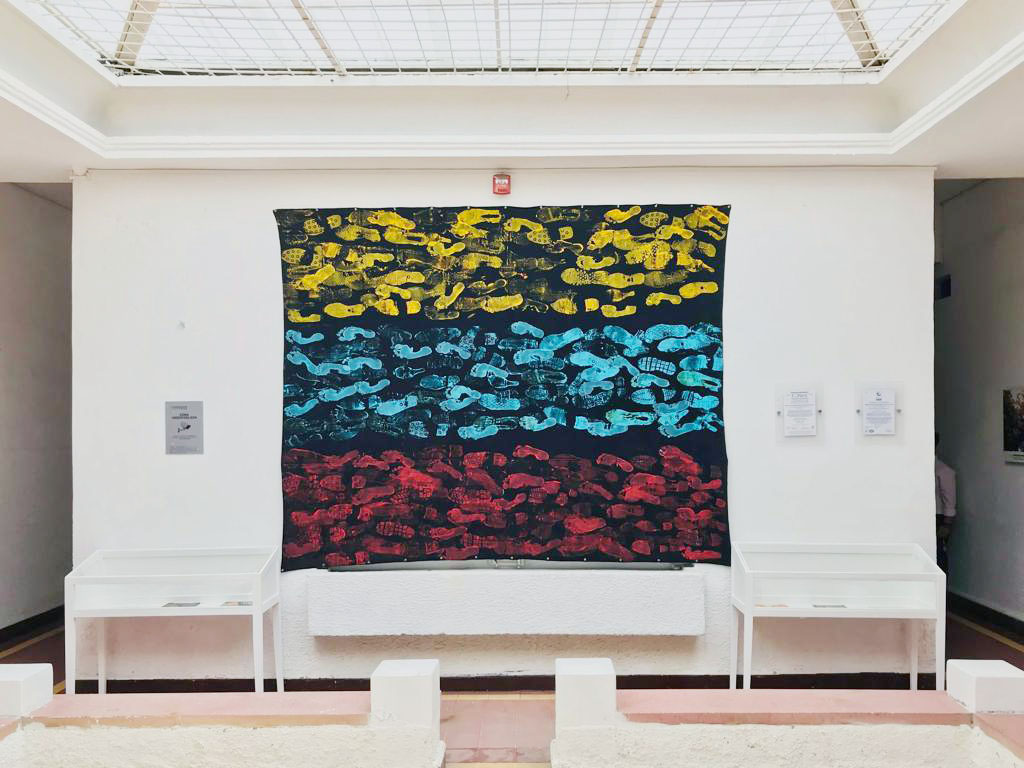
rastros comunes
TIPO DE PROYECTO: INVESTIGACIÓN-CREACIÓN / ACCIÓN CURATORIAL.
TÍTULO: RASTROS COMUNES (Pasos de frontera, Cátedra colombo-venezolana, El ferrocarril de Cúcuta, Segunda edición La Casa en la Frontera)
INVESTIGADORES: Jonathan Carrero, Rafael Sánchez, Otto Rosales Cárdenas, María Teresa Vela Vicini, Fabián Mena y Juan Carvajal Franklin.
ARTISTA: Jorge Hernandez
CURADURÍA JUNTOS APARTE: David Grimaldos
CURADURÍA UNIMINUTO: Carlos Saladén Vargas
FECHA: Octubre – Noviembre 2019
RASTROS COMUNES es un proyecto de investigación-creación de carácter participativo y colaborativo, con profesores colombianos y venezolanos en el marco de BIENALSUR Juntos Aparte, II ENCUENTRO INTERNACIONAL DE ARTE, PENSAMIENTO Y FRONTERAS


mental border control
TIPO DE PROYECTO: INVESTIGACIÓN-CREACIÓN / INVESTIGACIÓN ACCIÓN PARTICIPATIVA (IAP).
TÍTULO: MENTAL BORDER CONTROL 2019
AUTOR/INVESTIGADOR: Melle Smets (Holanda)
MEDIACIÓN PEDAGÓGICA UNIMINUTO: Carlos Saladén Vargas
FECHA: Octubre 2019
Proyecto en el marco de BIENALSUR Juntos Aparte, II ENCUENTRO INTERNACIONAL DE ARTE, PENSAMIENTO Y FRONTERAS donde participan estudiantes de Unipamplona, UFPS y UNIMINUTO.


entrevista ragahe tambó
El profesor e investigador Carlos Saladén Vargas entrevista al maestro Oscar Villalobos, líder del área de Cultura de Bienestar Institucional y Pastoral del Centro Regional Cúcuta, quien nos habla acerca de RAGAHE TAMBÓ un proyecto cultural integrado por profesores y estudiantes de los diferentes programas académicos quienes fueron seleccionados por proyecto LASO del Ministerio de Cultura para grabar una pieza musical original, apoyando procesos creativos y organizativos en red para el emprendimiento cultural y la producción de contenidos mediante el uso de las nuevas tecnologías.
Escucha aquí la canción:
AL RITMO DE LOS TAMBORES – RaGaHe Tambó
Música y letra: Oscar Villalobos Sotomayor
apotropaic (2013)
Now based in Margarita Island, Venezuela, Carlos’ new work embodies an evolving journey, encouraged, in large part, by being in contact with the island’s local art production and tradition (naïf art as conceived by the avant-garde at the turn of the 19th century). This has led him to investigate two main lines of inquiry. The first, relates to theories concerning the primordial origins of art as well as Primitivist attitudes in Western Art. The second examines recent Decolonial thought that attempts to dignify the ways of life, thinking and feeling of those cultures that became demonised by Modernity.


labour (2011)
‘I’ve found it a hard one to read, which is a good thing because I’m fed up of looking at large format stuff. I like square format because it’s a more difficult shape to use, it pushes you into interesting compositional work.’
‘It is dark and it takes a while to be able to understand the image. I like the slight blur of movement, of energy spent in the labour process. It overpowers the viewer. The image is about the process of labour, as opposed to individuals taking part in it. As the worker is almost bowing could allow the image to be read as the viewer being forced into subjugation – that labour is not ennobling but belittling, that the worker is subject to a process of which they have little control, in the way that believers are subject to the mysterious ways of their God. What I assume are sparks in the lower right hand of the image look like blood, which is symbolic of the type of sacrifices involved in the labour process.’
‘It’s the type of image you need to come back to and look at again and again. It’s not superficial in other words.’